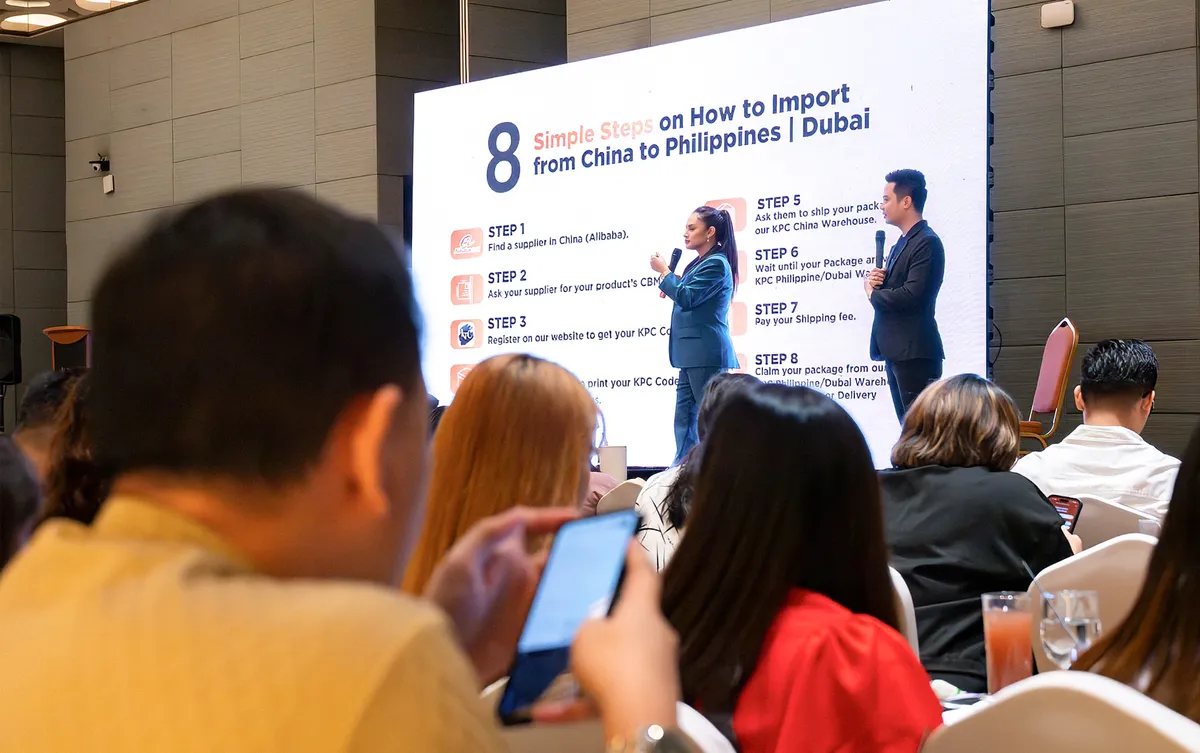
Importing products from China may seem complicated, especially for first-time importers. Many aspiring entrepreneurs worry about supplier verification, shipping costs, customs clearance, and logistics. The good news is that importing can be simple and hassle-free when you follow the right process and partner with a reliable freight forwarder.
At KPC Importation Services, we help Filipino entrepreneurs bring products from China to the Philippines safely, efficiently, and cost-effectively. Here's a simple guide on how to import in 8 easy steps.
Step 1: Find a Reliable Supplier in China
The first step is sourcing the right products from trusted suppliers. Platforms like Alibaba are commonly used by importers worldwide because they offer access to thousands of manufacturers and trading companies.
Before placing an order, make sure to:
- Check supplier ratings and reviews
- Verify business licenses
- Request product samples
- Compare prices and product quality
Choosing the right supplier helps ensure that you receive quality products and avoid costly mistakes.
Step 2: Ask for the Product's CBM
CBM (Cubic Meter) measures the volume of your shipment and is one of the key factors used to calculate shipping costs.
Ask your supplier for:
- Carton dimensions
- Number of boxes
- Total CBM
Knowing your CBM early allows you to estimate shipping expenses and plan your budget more accurately.
Step 3: Get Your KPC Reference Code
Once you're ready to import, register through KPC to obtain your unique reference code. This code helps identify your shipment throughout the logistics process and ensures that your packages are properly tracked and managed.
Step 4: Instruct Your Supplier to Print Your KPC Code
Your KPC reference code should be printed and attached to all cartons and packages. This step is important because it:
- Prevents shipment mix-ups
- Speeds up warehouse processing
- Helps KPC accurately identify your cargo
Proper labeling ensures a smoother shipping experience from China to the Philippines.
Step 5: Ship Your Packages to the KPC China Warehouse
After production is completed, instruct your supplier to send your products directly to the KPC warehouse in China.
From there, KPC handles:
- Cargo consolidation
- Shipment coordination
- Logistics management
- Documentation processing
This eliminates the stress of coordinating multiple shipping arrangements on your own.
Step 6: Wait for Your Shipment to Arrive in the Philippines
Once your cargo leaves China, KPC manages the transportation process until it reaches our Philippine warehouse.
You can monitor your shipment while our team handles the logistics behind the scenes, giving you peace of mind throughout the journey.
Step 7: Pay the Shipping Fee
When your shipment arrives, simply settle the shipping charges.
KPC offers competitive rates for both:
- Air Freight – ideal for urgent shipments
- Sea Freight – best for bulk orders and larger cargo
This flexibility allows importers to choose the most cost-effective shipping option based on their business needs.
Step 8: Claim Your Package
The final step is receiving your shipment.
You may:
- Pick up your cargo from the warehouse
- Arrange delivery directly to your location
Once your products arrive, they're ready for selling, distribution, or business use.
Start Your Importation Journey Today with KPC!
Importing from China doesn't have to be complicated. By following these 8 simple steps and partnering with KPC Importation Services, you can bring products into the Philippines with confidence and ease.
Ready to start importing? Contact KPC today and discover how easy it is to source products from China and grow your business with a trusted freight forwarding partner.
Ready to start importing?
Partner with KPC and bring your products from China to the Philippines with confidence.